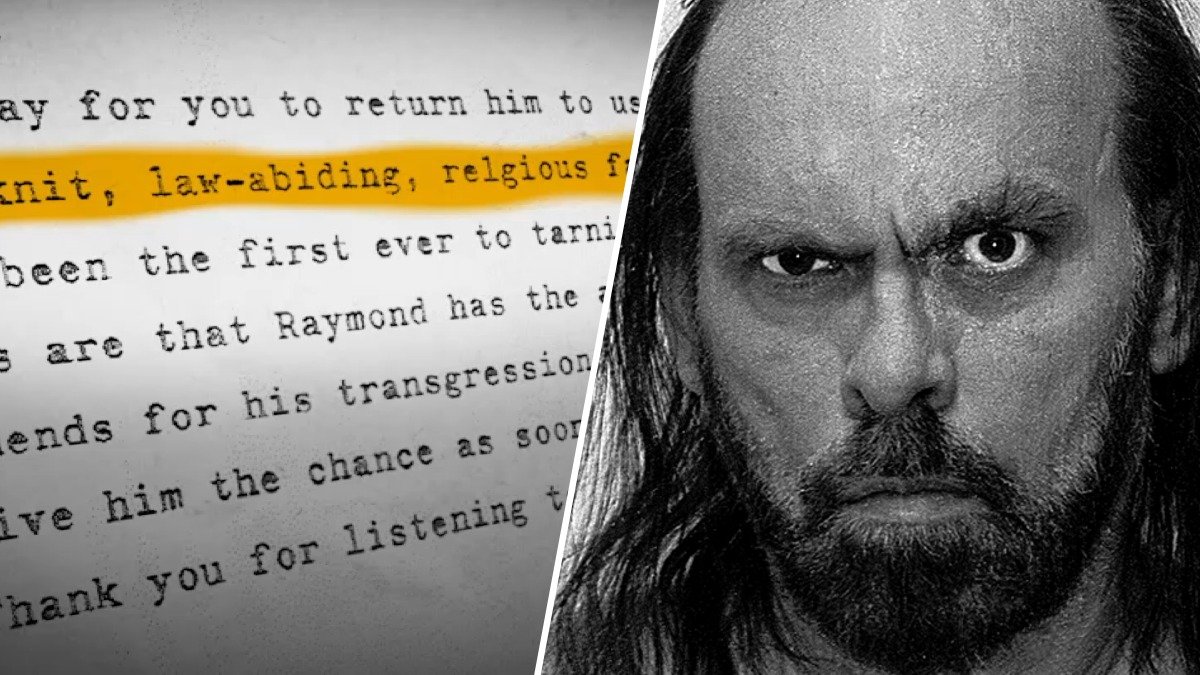
Newly unsealed court transcripts reveal Raymond “R.C.” Horsch’s ex-wife credited him with helping her overcome addiction. She disappeared years later and is one of at least seven women connected to Horsch who are missing.
A federal judge unsealed the documents, connected to a 2009 marijuana-growing case, following a motion from The Philadelphia Inquirer. Transcripts from several hearings were unsealed Tuesday.
Horsch faced a mandatory 20 years in federal prison before his cooperation with authorities helped clear the way for a much shorter sentence.
Amy McHale told the judge she met her ex-husband around 1999 while she was living on the street and using drugs.
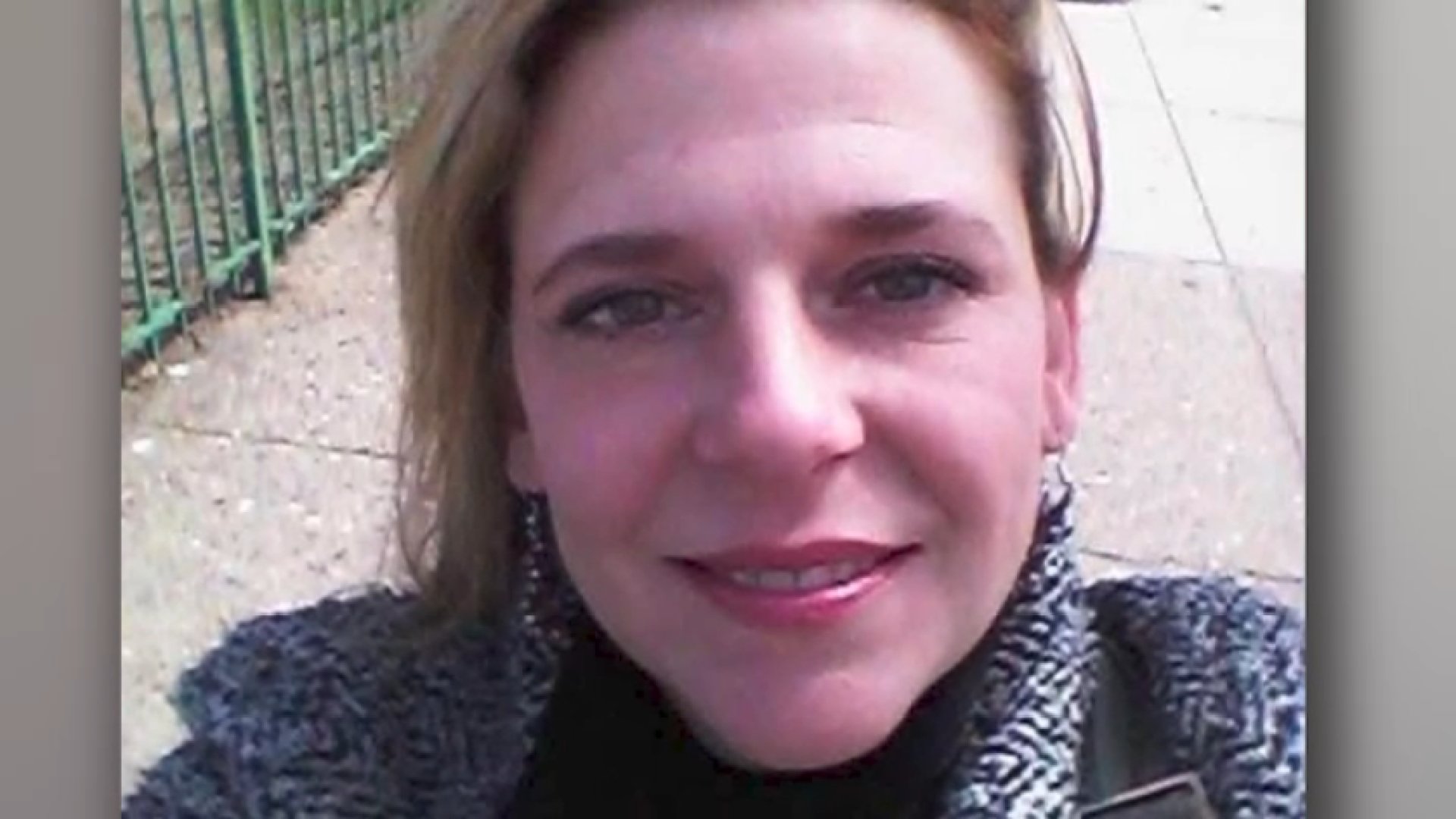
“When I met Ray, I was at a really low point in my life,” McHale testified. “I met him the way he’s met many of the other girls. I was out there on the street doing drugs.”
McHale said Horsch took her in, encouraged her to seek help for her addiction and helped her attend college, according to documents. She told the judge she had also seen him help other women facing similar circumstances.
“Even while we were together, you know, sometimes girls would come and stay,” she testified.
McHale told the court she supported Horsch helping the women because of the help she said he had provided her. But she also told the judge, “I don’t know what happened to many of the other girls.”
The transcript does not identify those women or indicate whether any are among the women whose disappearances investigators are now examining. Cassandra Barone, who first spoke with the NBC10 Investigators in September, said she began working with R.C. Horsch in 2013 after he approached her in Kensington. She lived with him for several years.
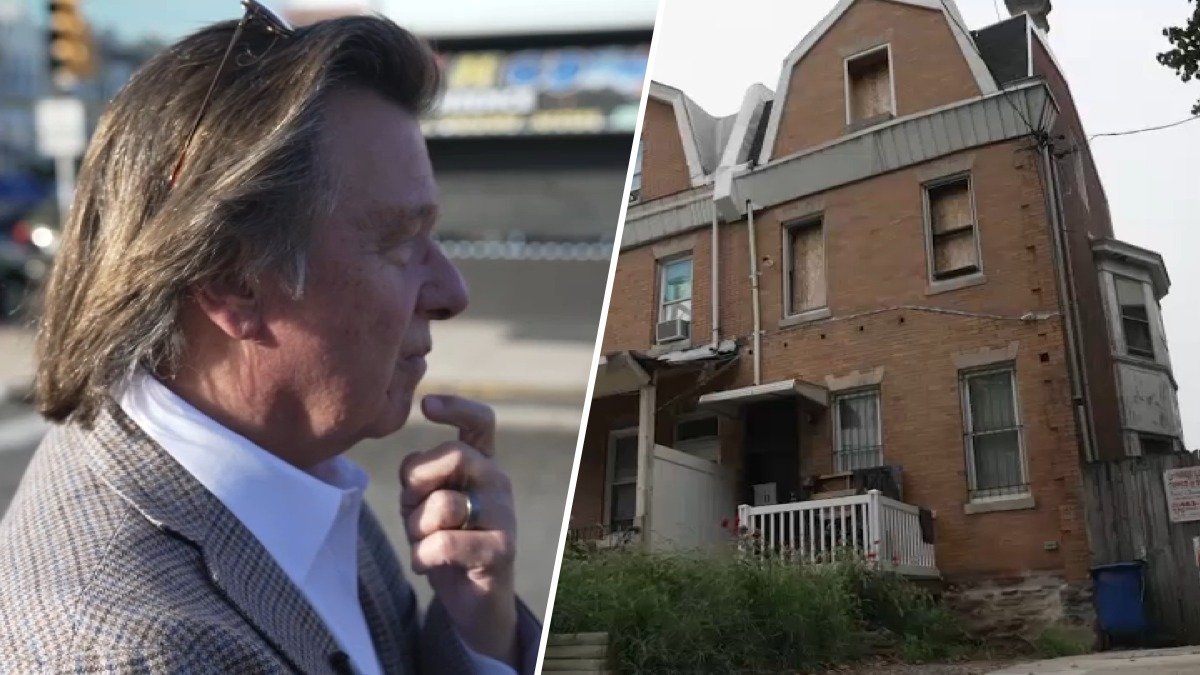
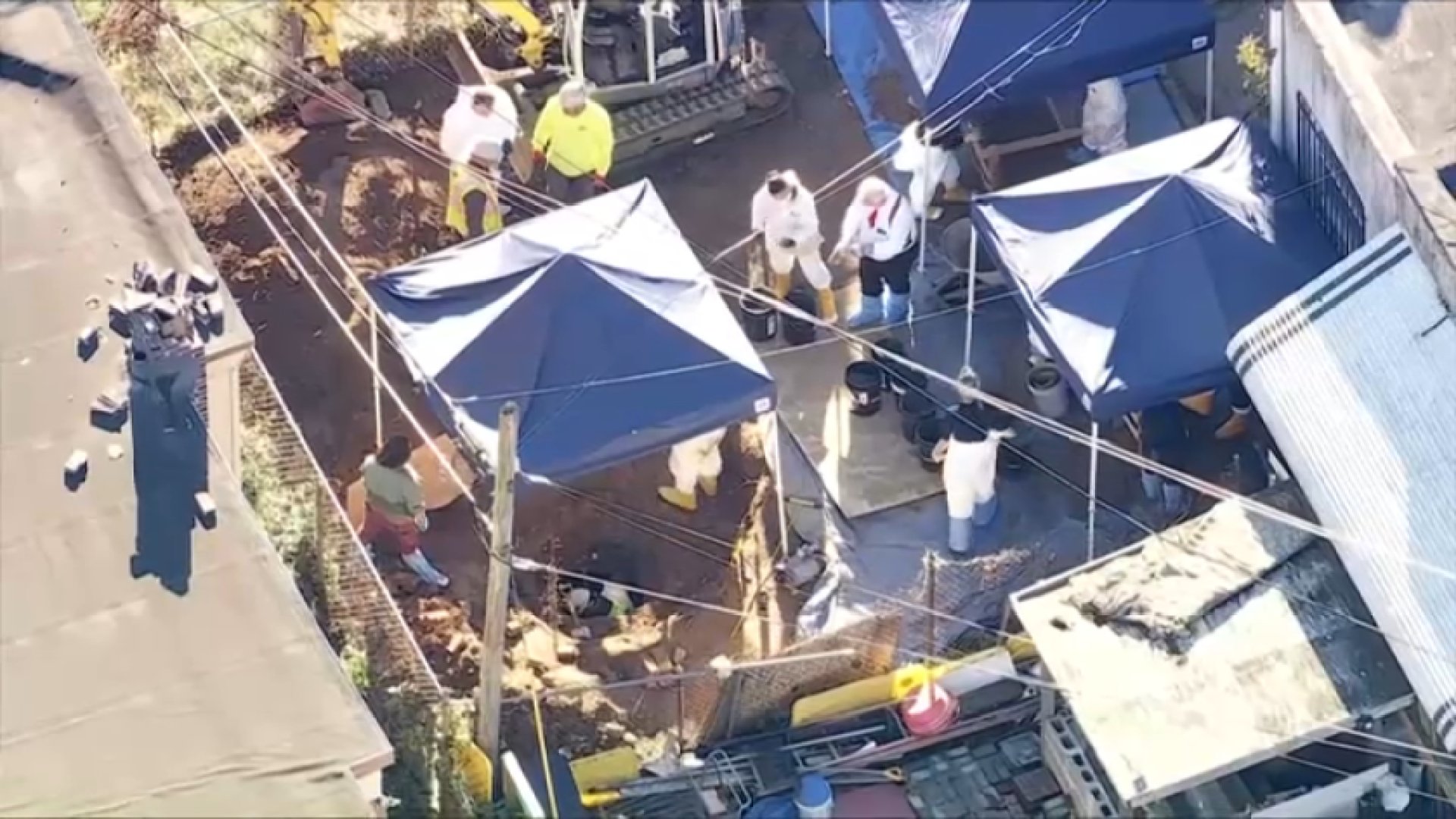
Police and the FBI have been investigating what happened to at least seven missing women connected to Horsch, including McHale, and his former home at 417 W. Chew Ave. Some of the women appear in movies or digital evidence seized from the property, police said. Horsch, an erotic filmmaker and photographer, died in 2025 at age 82.
Horsch pleaded guilty after police searched his Chalfont home in 2009 and discovered what prosecutors described as a sophisticated marijuana-growing operation. Authorities recovered 455 marijuana plants, processed marijuana and three firearms, including two sawed-off shotguns, documents said.
Horsch admitted the firearms were possessed in furtherance of his marijuana distribution operation. Because of the drug and gun charges, he faced a combined mandatory minimum sentence of 20 years in federal prison.
As the NBC10 Investigators reported last week, the unsealed records show Horsch provided authorities with information about crimes against minors as well as marijuana and cocaine trafficking and fraud. Prosecutors described his information as “credible and reliable.”
A supplemental sentencing memorandum filed by Horsch’s attorneys said some of his cooperation occurred while he was incarcerated and involved obtaining information from people he was incarcerated with, exposing him to “a great degree of danger.”
Jerome Brown, Horsch’s attorney, told the judge Horsch had worked on a project examining prostitution, heroin addiction and their effects on women.
Brown said Horsch would go into Kensington and speak with women on the streets, according to the transcripts.
Brown has repeatedly declined to comment on the elder Horsch’s case. He represents Horsch’s son in a federal case involving false credentials and firearms, which involved the first raid at the Chew Avenue home. Eugene Horsch has pleaded not guilty and is scheduled to go on trial in March.
NBC10 investigative reporter David Charns can be reached at david.charns@nbcuni.com.